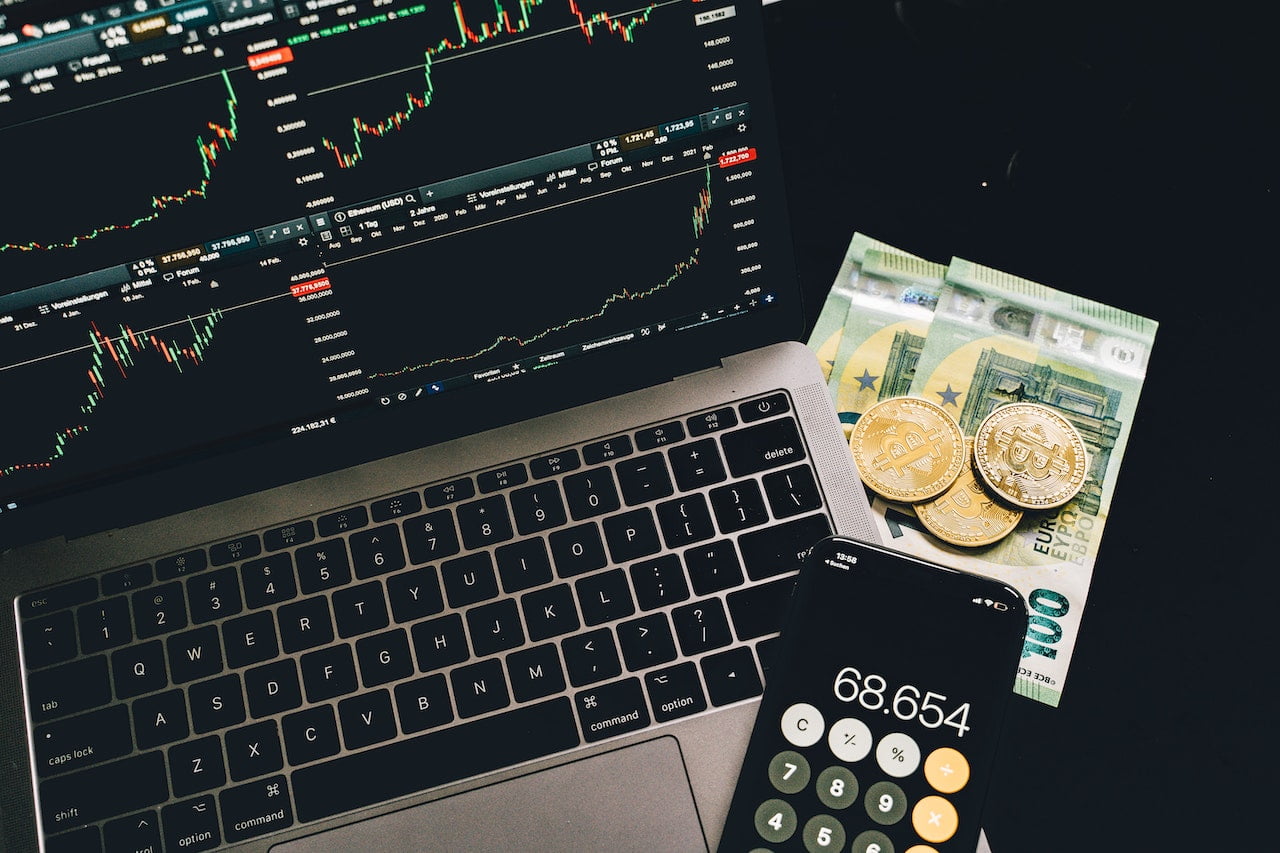
- Algorithmic Trading: Algorithmic trading involves the use of computer algorithms to execute trading orders automatically. These algorithms can analyze market data, identify patterns, and execute trades based on predefined rules or strategies. High-frequency trading (HFT) is a subset of algorithmic trading that relies on extremely fast execution and high-speed data processing.
- Machine Learning-Based Prediction Models: Machine learning techniques, such as regression, random forests, support vector machines, and neural networks, are utilized to predict stock prices, market trends, and other market indicators. These models analyze historical data and market variables to generate predictions for future price movements.
- Sentiment Analysis: Sentiment analysis involves analyzing social media feeds, news articles, and other textual data to gauge public sentiment and market opinions. Natural language processing (NLP) techniques are applied to extract sentiment from text, which can provide insights into market sentiment and potential impact on stock prices.
- Automated Portfolio Management: Auto-generate technologies are used to automate portfolio management tasks, including portfolio selection, rebalancing, and risk management. These technologies optimize portfolios based on predefined objectives, risk tolerance, and market conditions, with the aim of achieving higher returns or managing risk more effectively.
- Robo-Advisors: Robo-advisors are online platforms that provide automated investment advice and portfolio management services. They utilize algorithms and models to assess investors' financial goals, risk profiles, and investment preferences to create and manage customized portfolios.
- Quantitative Trading Strategies: Quantitative trading strategies rely on statistical models and mathematical algorithms to identify trading opportunities. These strategies use historical and real-time data to make informed trading decisions based on predefined quantitative rules and indicators.